
The Power of Education


Eradicating antisemitism begins with education. That’s why we engage teachers and students through workshops and programs that incorporate the Holocaust and address the real-world impact of antisemitism in today’s society.

Our efforts include community-wide and in-school programming, Holocaust speakers and comprehensive resources designed for individuals of all ages and backgrounds.

Here are the many programs we have implemented that help us talk about the Holocaust and antisemitism and share the importance of standing up against hate.

Speaker’s Bureau

Speaker’s Bureau

We bring Holocaust survivors and their children and grandchildren to schools, workplaces and organizations to share personal stories. 

Learn More
Educator Workshops

Educator Workshops

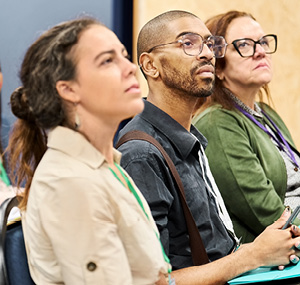
We offer an annual multi-day professional development workshop for Maryland educators that focuses on the Holocaust and the impact of hate on society.  It is held in partnership between The Baltimore Hebrew Institute at Towson University and the Baltimore Jewish Council.

Lessons of the Shoah

Lessons of the Shoah

We present an annual program for public and private school students that explores the lessons of the Holocaust and promotes tolerance and respect. This program is co-sponsored by the Baltimore Jewish Council and the Ralph & Shirley Klein Foundation and held at The John Carroll School. 

Community Programs and Commemorations

Community Programs and Commemorations

We host a variety of community programs, film screenings and an annual Yom HaShoah commemoration to educate about the Holocaust and the ramifications of antisemitism and hate. 

Library Resources

Library Resources

We offer significant Holocaust resources, from children’s books to adult texts, in The Jewish Library of Baltimore’s extensive collection. 

Check Out Resources Here
Transformation Through Education


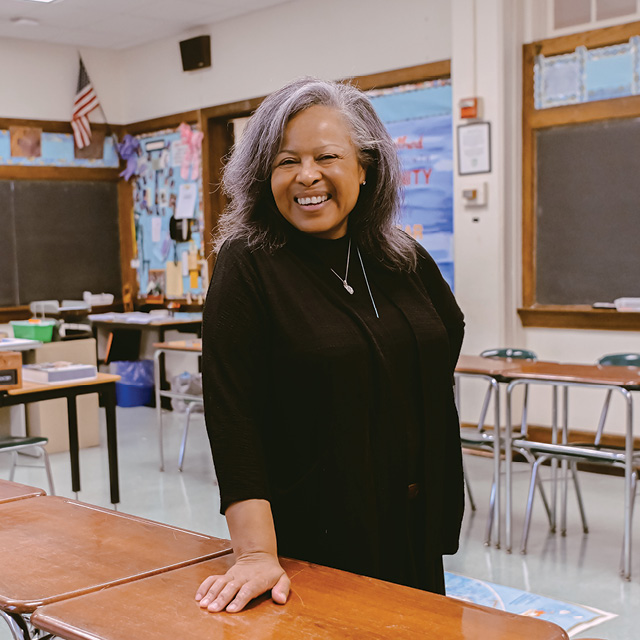
We offer on-site, virtual and off-site field trips for Maryland schools with topics that encourage religious and cultural tolerance and discourage antisemitism and bigotry. We also offer field trips on immigration, Holocaust history and an introduction to Jewish life. These trips are through the Jewish Museum of Maryland.

Holocaust Education

Holocaust survivor testimony is the most effective and valuable method we have to teach the Holocaust to today’s students. The Baltimore Jewish Council, part of The Associated network, works with local schools to place appropriate speakers.

Felicia Graber, Holocaust Survivor

For over 20 years, Felicia has shared her story with many across the country, visiting schools and telling students about the tragedies she and her family had to overcome.

Learn More
Changing Students

Changing Students’ Minds

Catholic High School teacher, Natalie Petro, educates her students about the Holocaust, antisemitism and respect.

Read More

Countering Antisemitism Through Information


Misinformation, antisemitic tropes and anti-Zionist rhetoric are everywhere, and many of us are not armed with the facts to counter what we see and what. The best way to fight antisemitism is through education, equipping people with the knowledge and facts to confidently challenge hateful narratives in public spaces, on college campuses and across social media.
360%

increase in antisemitic incidents reported since October 7

56%

of Jewish have altered behavior out of fear of antisemitism

73%

of Jewish college students experienced or witnessed antisemitism on campus

Combatting Antisemitism on Campus: Virtual Town Hall

The Associated hosted a virtual town hall, moderated by Andrew Cushnir, with its five local area Hillels to discuss the current state of Jewish life on college campuses.

Report An Antisemitic Event


Have you experienced or observed an antisemitic incident? The Associated, The Baltimore Jewish Council and the Anti-Defamation League (ADL) want to know.  Anyone who has experienced or witnessed verbal comments, antisemitic symbols or other forms of antisemitism are encouraged to report the incident.

You can play an important role in our mission to counter antisemitism and hate.

Stay Up to Date

Sign up for The Associated’s Newsletters to stay up to date on the important work the Center for Countering Antisemitism and Hate is doing and learn how you can help make a difference.

Antisemitism is growing. It is like deja vu. Here we go again. That is why I started speaking at schools and colleges.

— Felicia, First-Generation Holocaust Survivor and part of BJC’s Speaker’s Bureau
quote icon

Legal Protections for Jewish Students | Title VI Primer


Information originally from The Institute for Jewish Civil Rights

Jewish students have important legal protections under federal law. Title VI of the Civil Rights Act of 1964 (“Title VI”) protects Jewish students in K-12 schools and universities from discrimination and harassment based on their Jewish identity.

Title VI prohibits discrimination based on race, color and national origin, which includes shared ancestry and ethnicity, in programs receiving federal funding. It is important to understand that Jews receive Title VI protections based on their shared ancestry and ethnicity, not based on their religious identity or practices.

Under Title VI, harassment creates a “hostile environment” when the harassment is so severe or pervasive that it limits a student’s ability to participate in or benefit from their educational program.

An institution can be found liable for violating Title VI if it had: 1) notice of the hostile environment and (2) failed to take prompt and effective steps reasonably calculated to end the harassment, eliminate any hostile environment and its effects, and prevent the harassment from recurring.

Document everything. Take photos, screenshots and videos where possible. Keep a log of what happened with dates, names and details. Promptly notify the school or university in writing, copying high-level administrators. Consider seeking legal assistance.

Federal agencies such as the U.S. Department of Education’s Office for Civil Rights (“OCR”) that are charged with enforcing Title VI are required to consider the International Holocaust Remembrance Alliance’s Definition of antisemitism and its contemporary examples when evaluating complaints of antisemitism.

Complaints to OCR must be filed within 180 days of the discriminatory act. Deadlines for filing Title VI cases in federal court can vary by jurisdiction.

The Institute is committed to protecting Jewish civil rights, and provides legal assistance to those who have experienced antisemitic discrimination and harassment. Visit jcivilrights.org to learn more.

This resource is for informational purposes only and does not constitute legal advice. For guidance specific to your situation, contact a qualified civil rights attorney.