New Year, New Planning

As 2026 begins, many advisors are working with clients who are discovering that charitable deductions no longer function the way they once did. Changes to itemization thresholds and limits on the value of deductions mean some long-standing giving strategies now deliver less tax benefit, particularly for clients who previously itemized regularly.
In this environment, charitable planning is less about last-minute decisions and more about selecting the right structure and timing within a client’s broader plan. Several tools continue to be especially relevant.
Donor Advised Funds
Donor Advised Funds (DAFs) remain a flexible option for clients whose income, deductions or giving patterns vary year to year. They allow donors to make a charitable contribution in a higher-income year while recommending grants over time. For some families, DAFs also provide a straightforward framework for ongoing giving, advisor involvement and family participation. The Associated operates an easy and flexible donor advised fund program and we would be happy to assist your clients.
Qualified Charitable Distributions (QCDs)
For clients age 70½ and older, QCDs continue to offer a tax-efficient way to give directly from an IRA. Because QCDs are excluded from adjusted gross income, they can satisfy required minimum distributions while helping manage Medicare premiums, taxation of Social Security benefits and overall income exposure, regardless of itemization status. New for 2026, QCDs for outright gifts to charities are permitted up to $111,000.
Gifts of Appreciated Assets
Donating long-term appreciated securities allows clients to avoid capital gains tax while receiving a charitable deduction for the fair market value of the asset. This approach can be particularly effective for clients with concentrated positions or legacy holdings and may offer greater efficiency than cash gifts in a constrained deduction environment. Moreover, clients may wish to evaluate the timing of their contributions at a point when the market is at or near record highs.
Planned Gifts and Split-Interest Arrangements
Charitable Gift Annuities (CGAs), Charitable Remainder Unitrusts/Charitable Remainder Annuity Trusts (CRTs) can support income planning, estate objectives and philanthropic goals. These tools tend to be most effective when aligned with long-term legacy or wealth transfer planning rather than year-end giving decisions. The QCD to a CGA or CRT remains a great tool for those clients looking to defer the income on their Required Minimum Distribution while also providing an after-life gift to charity. The maximum for the one-time election of a QCD to a CGA or CRT has increased in 2026 to $55,000.
Across these approaches, charitable planning is increasingly integrated into broader conversations around legacy, family values and intentional wealth planning. Advisors are helping clients adjust to the new rules while staying focused on long-term goals.
At The Associated, we work closely with advisors to evaluate these strategies in real client situations and to think through how charitable planning fits alongside tax, estate and financial plans. If you’d like to talk through a specific client scenario or explore how one of these tools might apply, I welcome the opportunity to connect one-on-one.
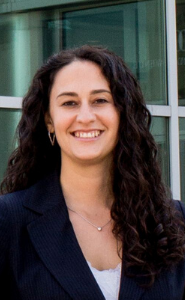
For more information, contact Jackie Yahr or call 410-369-9248.
This is for informational purposes only and should not be construed as legal, tax or financial advice. When considering gift planning strategies, you should always consult with your own legal and tax advisors.
Subscribe to our newsletter
The Associated is a home for everyone in the Baltimore Jewish community. We offer several email lists to help people find a community, engage with their peers and support Jewish journeys around the world.
Join Our Mailing List





Add Impact to Your Inbox
Sign up for our newsletter
Subscribe to our newsletter
The Associated is a home for everyone in the Baltimore Jewish community. We offer several email lists to help people find a community, engage with their peers and support Jewish journeys around the world.
Join Our Mailing List


 Please Wait while we loading your video.