Spring Cleaning Your Philanthropy:
A Smarter Approach to Giving in 2026

As the season of renewal unfolds, many of us take time to clear out what is no longer serving us and make space for what matters most. This same mindset can be applied to your charitable giving. Rather than focusing on a single date, spring is an opportunity to step back, reflect on the past year and think intentionally about how you want your philanthropy to evolve in the year ahead.
What worked well? Where did your giving feel most meaningful? And how can you align your generosity more thoughtfully with both your values and the current tax landscape?
Understanding Required Minimum Distributions (RMDs)
For those aged 73 and older, Required Minimum Distributions (RMDs) continue to play an important role in financial and charitable planning. These mandatory withdrawals from retirement accounts can significantly impact your tax situation, but they also present an opportunity.
With current tax laws, individuals can direct up to $111,000 from an IRA to charity through a qualified charitable distribution (QCD), and couples can give up to $222,000. When used thoughtfully, this strategy can become a core part of your annual giving plan.
By incorporating QCDs into your approach:
- Tax Efficiency: You can satisfy your RMD while potentially reducing taxable income, since QCDs are excluded from it.
- Intentional Impact: Giving directly from your IRA allows you to support the causes you care about in a way that is both meaningful and financially strategic.
Additionally, the expanded QCD remains in effect to allow for a one-time $55,000 distribution to charities through charitable plans that pay you income, including Charitable Gift Annuities, Charitable Remainder Unitrusts, and Charitable Remainder Annuity Trusts.
The Power of Donor Advised Funds
Donor Advised Funds (DAFs) remain one of the most flexible tools for thoughtful, forward-looking philanthropy. They allow you to make a contribution, receive an immediate tax deduction and then recommend grants over time.
As you think about the year ahead, DAFs can help you plan more deliberately:
- Strategic Timing: You can decide when to contribute based on your financial picture, then distribute grants when and where they are most needed.
- Potential for Growth: Funds can be invested, allowing your charitable dollars to grow over time.
- Family Engagement: A DAF can also serve as a meaningful way to involve family members in ongoing giving decisions.
Planning Around Today’s Tax Landscape
Recent tax law changes continue to shape how donors approach charitable giving. Taking time now to understand these shifts can help you make more informed decisions throughout the year:
- Standard Deduction Changes: With a higher standard deduction, fewer donors itemize. For those who do, charitable contributions remain a valuable tool for reducing taxable income.
- Bunching Contributions: Consolidating multiple years of giving into one year may help you exceed the standard deduction threshold and maximize tax benefits. A DAF can be a useful tool when bunching your giving.
Looking Ahead with Intention
Instead of thinking about giving as something tied to a moment, consider it as part of a broader, year-round strategy. Spring offers a natural pause point to reassess, reset and move forward with greater clarity.
A few simple questions can guide that process:
- How did my giving reflect my priorities last year?
- Are there opportunities to give more strategically this year?
- How can I better align my philanthropy with both my values and financial plan?
Clear the Clutter, Focus on What Matters
This season, take the opportunity to refine not just what you give, but how and why you give. By revisiting your approach, understanding available tools and planning ahead, you can create a more intentional and impactful philanthropic strategy for the year to come.
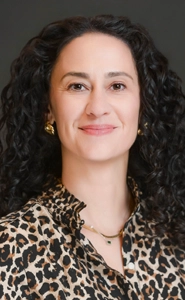
If you would like to explore how these strategies might fit into your plans, we are here to help you. Together, we can shape a giving approach that feels both meaningful and smart. Contact Jackie Yahr at 410-369-9248 or jyahr@associated.org to learn more.
This is for informational purposes only and should not be construed as legal, tax or financial advice. When considering gift planning strategies, you should always consult with your own legal and tax advisors.
Subscribe to our newsletter
The Associated is a home for everyone in the Baltimore Jewish community. We offer several email lists to help people find a community, engage with their peers and support Jewish journeys around the world.
Join Our Mailing List




Add Impact to Your Inbox
Sign up for our newsletter
Subscribe to our newsletter
The Associated is a home for everyone in the Baltimore Jewish community. We offer several email lists to help people find a community, engage with their peers and support Jewish journeys around the world.
Join Our Mailing List

 Please Wait while we loading your video.