Supporting Individuals with Disabilities and their Families
Supporting individuals with disabilities is a year-round priority for The Associated network.
Here are some of our stories.
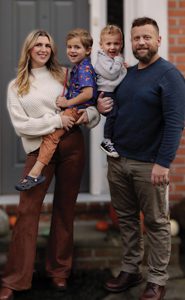
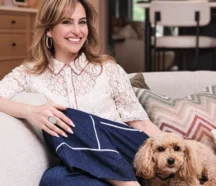
Lindsay Grossman – Building a Foundation for Her Son
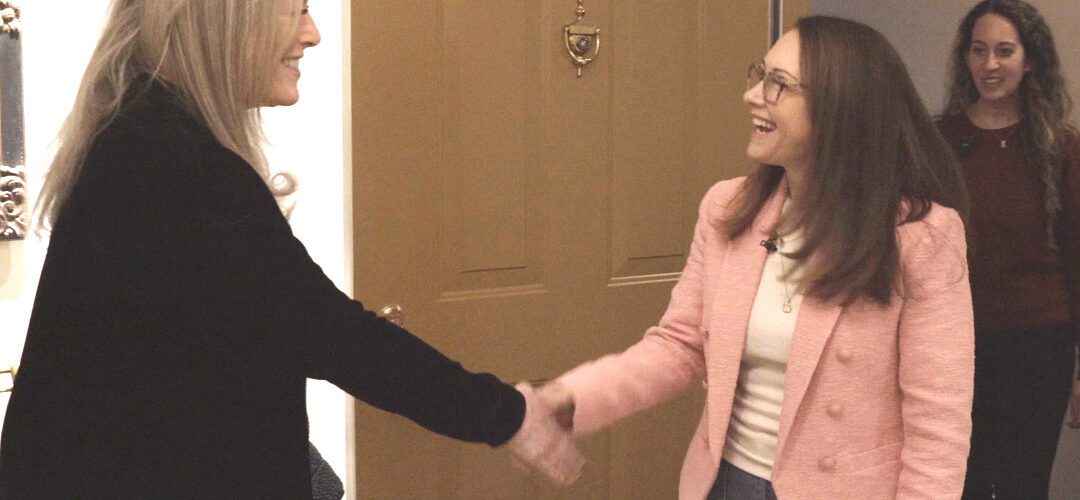
When Lindsay Grossman picks up her son Benji from preschool, she’s struck by how much he has accomplished. He talks about his day, hugs his classmates and has formed real friendships.
For Benji, who is autistic and experiences language and social delays, these milestones are particularly meaningful. And Lindsay credits the educators at the Stoler Early Learning Center (ELC) at the JCC, part of The Associated network, for providing the warm, safe and loving environment that allows Benji to thrive.
Lindsay discovered the ELC when Benji was two, when she and her husband were looking to enroll him in preschool. The ELC stood out, she says, because their senior director, Danielle (Dani) Frye, has a background in special education. “Most preschool directors don’t have that,” she adds.
Together, they formed a strong relationship. The ELC was great at coordinating services from outside providers to support Benji in the classroom. They also helped him acclimate and build his social and communication skills.
Lindsay, who is a special educator herself, understands the value of strong early intervention. And the preschool really understood what a family goes through, she says.
Speaking to other parents of preschoolers with disabilities, she wants them to know this about the ELC team. “They are wonderful communicators who have an appreciation of what a family with a child with a disability goes through. They really want to form a partnership.”
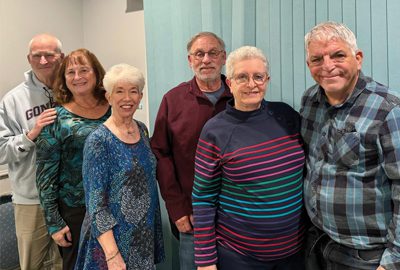
A New Support Group for Grandparents
When grandparents gather to talk about their grandchildren, the conversations often revolve around first words, school milestones and sports activities. But for a group of grandparents who met through the Macks Jewish Connection Network, an agency of The Associated, the conversations often sound very different.
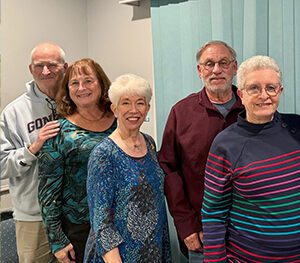
They are grandparents of grandkids with disabilities, both visible and invisible. And, until recently, many of them had never met another grandparent walking the same path.
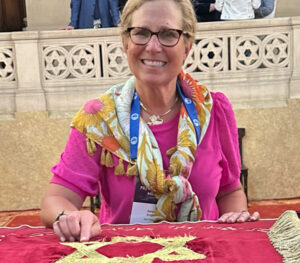
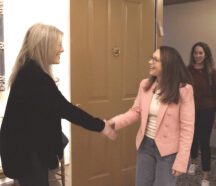
“That population existed, but each of us was kind of functioning in a vacuum,” said Sheryl B. Cooper, a longtime community volunteer who is helping, alongside her husband, Eric Reisman, lead the Network’s new support group for grandparents. “We didn’t know other grandparents in the same situation.”
The group, formed within the past year, is now one of the few dedicated spaces in Jewish Baltimore focused specifically on the grandparent experience, a role that is often emotionally complex and rarely centered in conversations about disability and inclusion.
Sheryl and Eric, who have three grandchildren, including a five-and-a-half-year-old granddaughter with special needs who lives nearby, describe the group as both practical and deeply personal.
Sheryl brings decades of professional experience working with people with disabilities to her volunteer role as a freelance American Sign Language interpreter and former Towson University professor.
“People with disabilities are just people,” she said. “They don’t want to be looked down on, and they don’t need pity. They need resources, support, accommodations and access.”
Each month, the group meets to share stories and explore topics like navigating family dynamics, strengthening bonds with grandchildren and supporting adult children.
Subscribe to our newsletter
The Associated is a home for everyone in the Baltimore Jewish community. We offer several email lists to help people find a community, engage with their peers and support Jewish journeys around the world.
Join Our Mailing List


Add Impact to Your Inbox
Sign up for our newsletter
Subscribe to our newsletter
The Associated is a home for everyone in the Baltimore Jewish community. We offer several email lists to help people find a community, engage with their peers and support Jewish journeys around the world.
Join Our Mailing List
 Please Wait while we loading your video.