Planning for the Future: A Conversation with Maury Garten About Family, Legacy and Giving
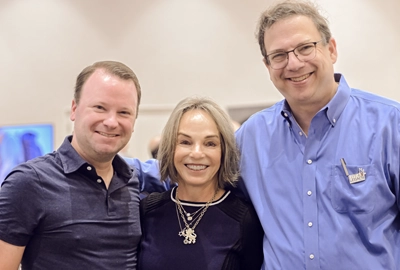
For many people, estate planning is about making sure their loved ones are taken care of and their wishes are carried out. But it can also be an opportunity to think about something bigger: What do you want to leave behind, and what values do you hope will carry forward?
As Chair of Planned Giving and Endowment for The Associated, Maury Garten spends much of his professional life helping clients think through these questions. As an estate planning attorney, he also understands how important it is to have these conversations within his own family. He has talked with his children about his plans and has put a charitable gift to The Associated into his own estate plan.
We sat down with him to talk about why these conversations matter, what he has learned from his clients and family, and why creating a plan does not have to be reserved for people with extraordinary wealth.
When you think about planned giving, what do you wish more people understood?
There is a misconception that creating a legacy gift is only possible for people who have a lot of disposable income. That simply is not true.
A legacy gift can take many forms, and it does not necessarily mean giving away money that you need during your lifetime. I have worked with people who have designated a portion of an IRA or a life insurance policy to The Associated because they believe in the organization’s work and want to help strengthen the Jewish community for the future.
For me, that’s one of the most meaningful aspects of planned giving. You can make a commitment to something you care deeply about without changing the way you live today. You are simply making an intentional decision about what you want to happen in the future.
Why do you think it is important to talk with your children about your plans?
In most cases, estate planning should not be a secret.
Of course, every family is different, and there is not one right way to have these conversations. But I think it is important for children to understand not only what their parents have planned, but why they made those decisions.
My wife and I have had these conversations with our children. We have talked about our estate plan and our values that are important to us. We have also talked about our charitable giving and why we have chosen to include The Associated in our plans.
Those conversations can be just as important as the documents themselves. They give your children an understanding of what mattered to you and what you hoped to accomplish. These discussions can help prevent confusion, antagonism or surprises later.
What impact can a charitable gift have on the next generation?
Creating a legacy shapes more than the future; it shapes families.
I have seen clients reflect on charitable decisions their parents or grandparents made years ago. They remember that their family believed in giving back and supporting the community. Often those memories ultimately influence the decisions they make themselves.
I have had clients tell me about a charitable fund or endowment their parents or grandparents created and how that gift has influenced them to make a charitable gift of their own. The gift may have been made decades earlier, but the example stayed with them.
That is what I find so powerful. A charitable gift isn’t only about the organization receiving it. It can become part of a family’s story and demonstrate to children and grandchildren what their family values are.
What does it mean to you personally to have a legacy gift in your own estate plan?
I have spent my career helping people think about their estate plans, so I know how easy it is to focus on the technical aspects: Who receives what? What documents do I need? What are the tax implications?
Those two things matter, but there is another question that I think is just as important: What do you want your plan to say about you?
For my family, including a gift to The Associated reflects something that is important to us. We believe in the work The Associated does and in the importance of a strong Jewish community for future generations. It is why it is our largest charitable gift.
Knowing that we have made that decision gives us a sense of purpose. Having discussed it with our children means they understand the thinking behind it.
What would you say to someone who has been meaning to create or update an estate plan but has not gotten around to it?
Start with a conversation.
You do not have to have everything figured out before you begin. Think about the people, organizations and values that are important to you. Talk with your spouse or partner. Talk with your children. Then sit down with your professional advisors and develop a plan in partnership with them that is suitable for you.
And I would not assume that creating a charitable legacy is only something that a well-to-do person can afford. An after-lifetime gift from an IRA, life insurance policy or other asset may be an easy and meaningful way to make a real difference and support a cause you care about.
The most important thing is to be intentional. If there is something you want to continue beyond your lifetime, seek advice on how to do so.
Why is a legacy gift to The Associated so important?
A legacy gift helps ensure that The Associated will always have the resources to address our community’s most pressing needs and sustain a vibrant Jewish community for generations to come. By endowing your gift, your commitment to the community can continue every year.
What is one thing you hope people take away from this?
Creating a charitable legacy is easier than many people realize. As you plan what to leave your family and friends, including a charitable gift can help create a future that reflects your values and preserves your legacy.
The experienced professionals at The Associated are available to work with you, your family and your advisors to create a plan that benefits you and the community. To get started, please contact Michael Friedman at 410-369-9233 or mfriedman@associated.org, or Jackie Yahr at 410-369-9248 or jyahr@associated.org.
Subscribe to our newsletter
The Associated is a home for everyone in the Baltimore Jewish community. We offer several email lists to help people find a community, engage with their peers and support Jewish journeys around the world.
Join Our Mailing ListKeep Reading

Add Impact to Your Inbox
Sign up for our newsletter
Subscribe to our newsletter
The Associated is a home for everyone in the Baltimore Jewish community. We offer several email lists to help people find a community, engage with their peers and support Jewish journeys around the world.
Join Our Mailing List
 Please Wait while we loading your video.