Jewish Community Services Addresses the Rise in Online Gambling
In the past few years, with the legalization of online gambling in most states, including Maryland, sports betting and predictions betting has exploded in popularity. Online gaming platforms and prediction markets, like FanDuel and Draft Kings are available virtually anytime, anywhere, 24 hours a day.
As a result, problem gambling is becoming a growing public health concern. According to additctionhelp.com betting on a phone app roughly triples the odds of problem-gambling symptoms and, a 2025 national survey by Common Sense Media found that more than one-third of 11 to 17-year-olds had gambled in some form within the past year. One in eight had bet on sports.
That is where Dr. Claire Fultz, Director of Mental Health at The Associated’s Jewish Community Services (JCS), steps in.
JCS Is Leading the Way for Jewish Baltimore
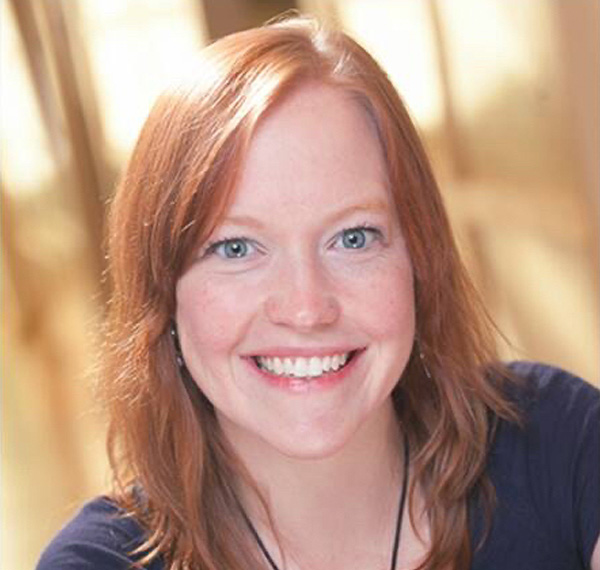
The rise in online gambling, and the issues it presents, may seem new to some who have only just noticed the slew of advertisements on streaming platforms and sports networks, but for the folks at JCS, this has been on their radar for quite some time.
“When people think about gambling, they often picture casinos, racetracks, or poker tables. In reality, gambling is much more woven into everyday life than many realize. It can include lottery tickets, scratch-offs, office pools, stocks, fantasy sports, raffles, informal card games, prediction markets, arcades, and even certain online gaming features. At its core, gambling involves risking money or something of value on an uncertain outcome in hopes of receiving a reward.”
“We started to hear about this from our mental health professionals. We started seeing it from our financial wellness teams. We reached out early on to the Maryland Center for Excellence on Problem Gambling to get our JCS staff trained and ready to recognize the signs and how to respond.”
To address this, JCS has developed a comprehensive approach to addressing gambling-related concerns, focusing on prevention, education, screening, treatment, recovery support and workforce development. Their goal, Claire explains, is to not only provide direct clinical and case management services to individuals and families, but also to strengthen the agency’s efforts and to spread awareness, expand resources and provide support throughout Jewish Baltimore.
“Our professionals are being trained in screening, assessment, engagement and referral practices. Our therapists have access to specialized clinical training to strengthen their expertise in providing gambling treatment,” says Claire. “We have also expanded consultation, referral and continuing education opportunities for social workers, counselors, therapists and other professionals..”
To increase community awareness and reduce stigma, JCS recently hosted education programs focused on problem gambling to help community members and professionals better understand and recognize the warning signs and connect individuals and families with the help they need.
“Ultimately, our goal is to ensure that gambling-related concerns are recognized and addressed with the same compassionate, evidence-based and nonjudgmental approach applied to all behavioral health challenges ,” says Claire. “We want people to know that help is available, recovery is possible and support can be accessed at any stage of the journey.
Early Prevention is Key
One of JCS’s goals is to help confront this rise in online gambling as early as possible. Through efforts to increase awareness, reduce stigma and expand access to education, prevention, treatment and recovery, Jewish Community Service’s mission in this field is to be a guiding force and helping hand throughout the Baltimore Jewish community and beyond.
To do this, JCS is spreading awareness and improving education on what problematic gambling behaviors look like. Unlike some substance use disorders, the outward signs are difficult to see. Add to that the fact that gambling can be done privately on a cell phone, whether at work or in the privacy of someone’s home, means that individuals and their loved ones may start experiencing stress and other struggles like anxiety and depression or financial concerns months or years before anyone recognizes what happens.
“Outside of the Maryland Center of Excellence on Problem Gambling, there has historically been limited access to education, outreach, and resources related to problem gambling,” says Claire. “The Baltimore Jewish community, in particular, has been underserved in this area. Shame and stigma can make it difficult for individuals and families to seek help or even talk openly about gambling-related concerns. JCS is working to change that by increasing awareness, reducing stigma, and expanding access to education, prevention, treatment, and recovery supports for both the Baltimore Jewish community and the broader community we serve.”
JCS is also focusing on demographics that people may not expect being affected by this rising challenge. Young adults are a population of particular concern, having grown up in a digital environment where sports betting, online gaming and prediction markets are heavily marketed and easy to access. Studies show that adults under 35 are roughly 1.5x more likely to have a gambling problem compared to middle-aged adults. Where gambling disorders have historically been viewed as affecting men disproportionately, that gap has been narrowing in recent years, Claire says.

What Are the Signs of Problem Gambling and What Can You Do?
“The first thing I would remind people,” says Claire, “is that the biggest challenge with problem gambling is that it often develops quietly and can be difficult to recognize.”
Claire notes that the warning signs may not be immediately visible, but there are things people can look out for.
“The signs may initially show up in a person’s behavior, emotions, finances or relationships,” she adds. “Other warning signs include repeated but unsuccessful attempts to cut back or stop gambling, feeling restless, irritable, or anxious when unable to gamble. Or they could be continuing to gamble in an effort to recover losses.”
Claire says family members should look out for increased secrecy, defensiveness, unexplained financial difficulties, borrowing money or neglect of responsibilities , just to name a few.
“Ultimately, the key question is not where someone gambles or how, but whether gambling behavior is beginning to negatively affect their finances, relationships, emotional well-being, or day-to-day functioning.”
Most importantly, Claire adds, if you recognize these signs in yourself or someone you know, don’t wait. Problem gambling can affect anyone, and the warning signs are often easy to miss. JCS is here to help. Seeking support early can make a meaningful difference in the lives of individuals and families and may help prevent challenges from worsening over time.
To learn more or access support, contact Jewish Community Services at 410-466-9200 or info@jcsbaltimore.org. For free, confidential assistance 24 hours a day, 7 days a week, Maryland residents can call or text 1-800-GAMBLER.
Subscribe to our newsletter
The Associated is a home for everyone in the Baltimore Jewish community. We offer several email lists to help people find a community, engage with their peers and support Jewish journeys around the world.
Join Our Mailing List



Add Impact to Your Inbox
Sign up for our newsletter
Subscribe to our newsletter
The Associated is a home for everyone in the Baltimore Jewish community. We offer several email lists to help people find a community, engage with their peers and support Jewish journeys around the world.
Join Our Mailing List

 Please Wait while we loading your video.